Last Updated 20/09/2026 published 17/09/2026 by Hans Smedema
My Recent Harassment and Defamation as Official Torture-Survivor UN Istanbul Protocol!
The Libel and Slander from the Netherlands or Dutch is still ongoing because the Dutch Ministry of (In)Justice refuses to repair the damage criminal rapist and manipulator Joris Demmink created to protect himself from prosecution.
An earlier well documented harassment was the so-called ‘Marcel Incident’ on October 23, 2025.
Here are 3 new defamation incidents that I became aware of:
- The Jolly Rogers Incident Aug 15, 2026
- The Hola Albir Incident
- The Bohemia Albir Incident Sat June 27, 2026
There were of course more, but not that I knew for sure the Dutch Omerta was behind it.
The Jolly Rogers Incident
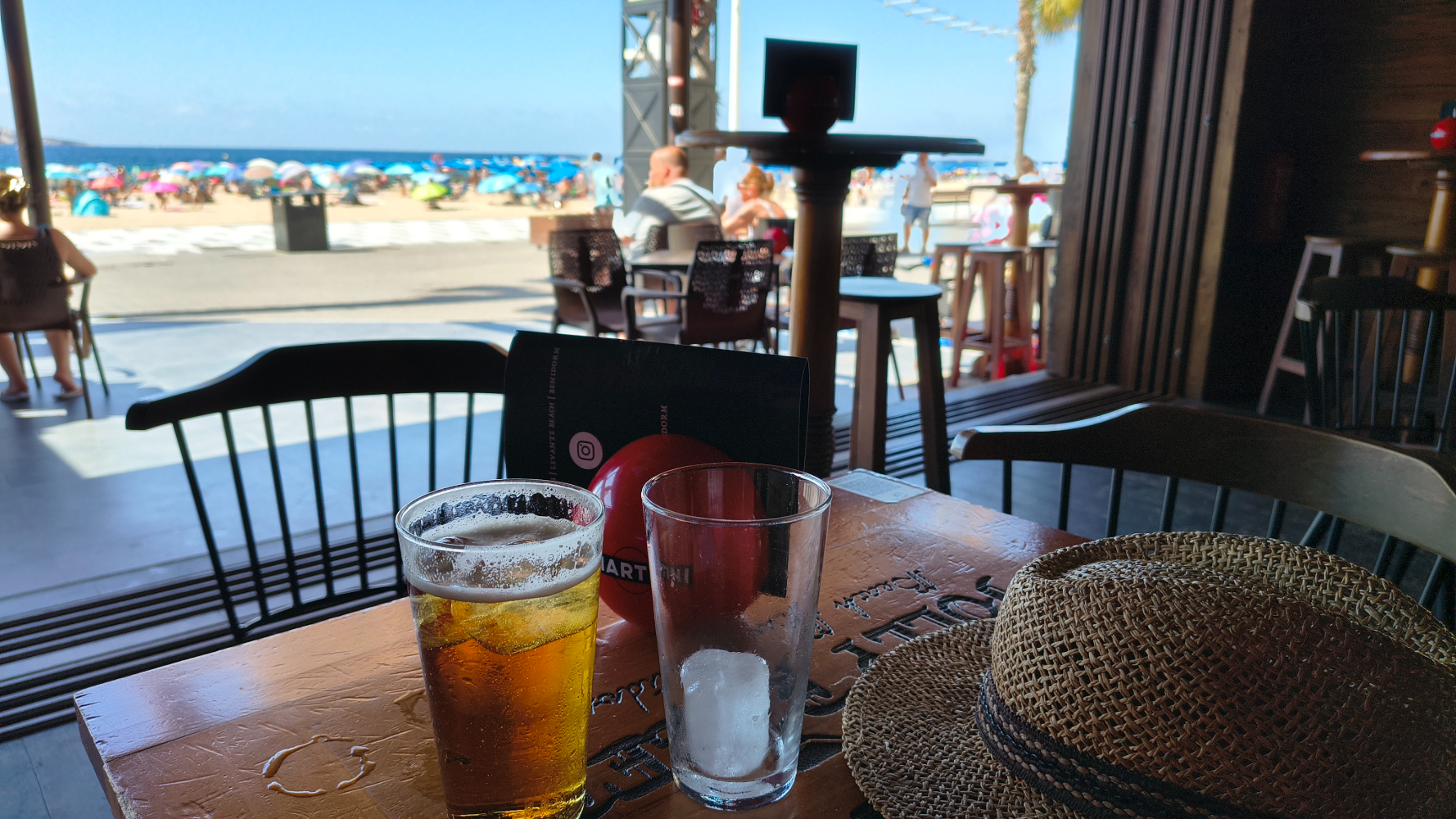
On Saturday August 15, 2026 I went again to my favorite Beach Bar ‘Jolly Rogers’ in Benidorm where you can sit almost directly on the Beach. They knew me very well because I always paid 4 instead of 3 euro when they served me at the table just inside overlooking almost 200 meters of the Beach and walking-only street. They do not get much Tips, so they even told me “you are making us rich!”
We always made fun and I even knew some names like Jules and Tima.
I always took lots of photos and videos of my stunning views from there and was there also with friends.
So I was totally dumbfounded when they suddenly refused to ask me what I wanted, which was mostly a Pint with ice because it was very hot and sunny.
So I assumed they were busy and I had no hurry at all. But I became more and more dumbfounded after half an hour when I watched everybody around me being served, while they totally neglected me. I even made 3 short videos of Jules walking past me while totally ignoring me.
So I left after around 45 minutes waiting in vain and went home to Albir asking myself what had I done wrong to deserve this absurd treatment?
And I had to conclude it was again the Dutch Omerta group of always Dutch stupid people harassing me by falsely telling everybody how insane I was and to not talk to me, whatcha out for him, as I was publishing my horrifying life on this Legal-Blog. They never look at my huge dossier of course to check if I was right or wrong.
Trying only to get justice after 50 years of persecution of me and my defenseless wife being (ab)used as a sexslave.
Here is a Post about my top-level ethical behavior:
DOSSIER VAN PERSOONLIJKE EN PROFESSIONELE INTEGRITEIT
The Hola Albir Incident
An earlier incident happened at Restaurant Hola Albir just next to the Parking and Market. The place where before that one of the La Cena franchises had a well known Top-Level Restaurant.
The Manager Anup knew me from Restaurant Tutti Quanti a few doors further and had asked me to try his Restaurant.
So the first time I came there for a coffee with something to eat on the terrace outside and watched an apparently Dutch man hurrying into the restaurant to Anuk and talking to him in a kind of emergency way.
Next Anup came outside and asked me
“how is your project going against the Dutch State you were talking about”.
I was not yet fully awake and as always tell the truth
“Good…, I think I now have an 80% chance of winning that case about millions because of the Gemini AI giving me top-level legal help better than a 1000 Lawyers!”
But later when I thought more about it, I knew this was again evidence of the harassment against me by the Criminal Omerta led by her Son Arne Smedema.
Talking NOT to me, but to waiters who of course know nothing about a complex case like my Hans Smedema Affair. So they think and are warned I am insane and keep a distance from me. And warn them if I do something or give specific information. There must be money involved too. Because they even phone them when I am at Tutti Quanti or Hola Albir and others like Bohemia Albir.
The Bohemia Albir Incident Sat June 27, 2026
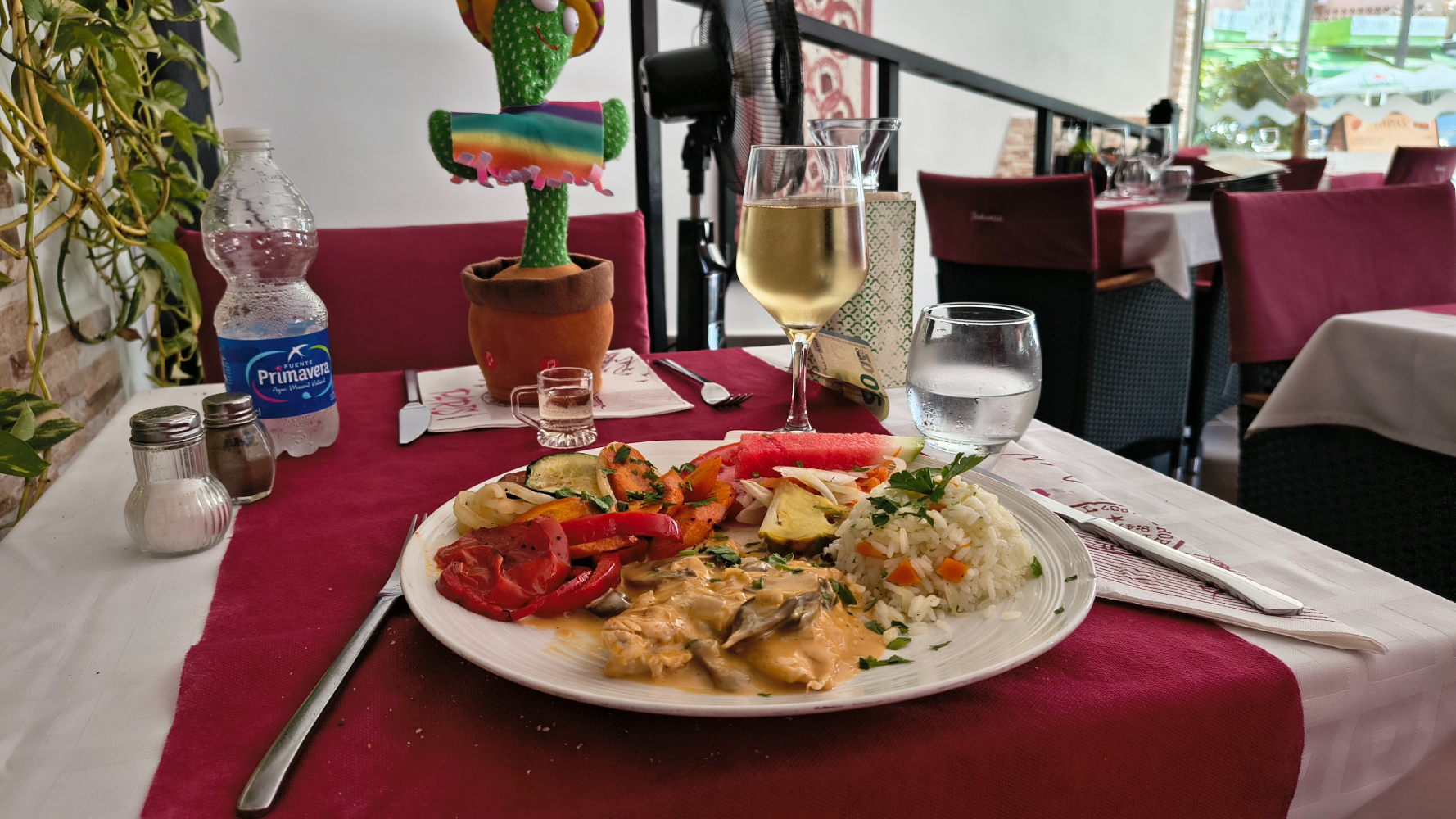
This happened a bit earlier on Saturday June 27, 2026. I was having an early lunch at Bohemia just behind Hotel Cactus at the Roundabout. A favorit restaurant because I know both the Managers Alina and Gabi who always deliver top-level quality for a too low price. So I always give a nice tip, and get special VIP treatment.
This day I just had a prank with a friend who I told that I just had met a young woman and we were in love, she even stayed the night, but we did not have sex yet. And much more, and he really believed me, so a lot of fun. I took this thing which I bought for 10 euro the day before with me to make photos to show him who that woman was! Aline thought I was insane. But because of this I rembered exactly when it happened.
But very strange when I was almost finished a woman came inside and while the Restaurant was totally empty inside was seated next to my table by Alina.
That is abnormal and so I thought negatively that it would be the criminal Omerta trying to get information so they could tell that I was still obsessed with my delusional case, as the Netherlands officially but falsely keeps publishing.
So I did not start a conversation which I normally would do to people around me, but neglected her totally, just as she did to me. Which was absurd when you come specially for me and to get information!
But I knew from earlier events that nobody is allowed to talk to me unless I ask for it myself! What was evidence of her being from the Omerta org.
In hindsight I should have asked her who she was and why she wanted to talk to me, but I was angry at the Dutch Omerta people always talking to waiters and people who are made to believe I need mental help or so and be watched.
But it still is evidence of the ongoing harassment!
ing. Hans Smedema B. Sc., Official Torture-Survivor Istanbul Protocol, surviving since 2008 in forced exile in beautiful El Albir, Costa Blanca, Spain